Automatic Burr Grinder: Espresso to Pour-Over & Drip
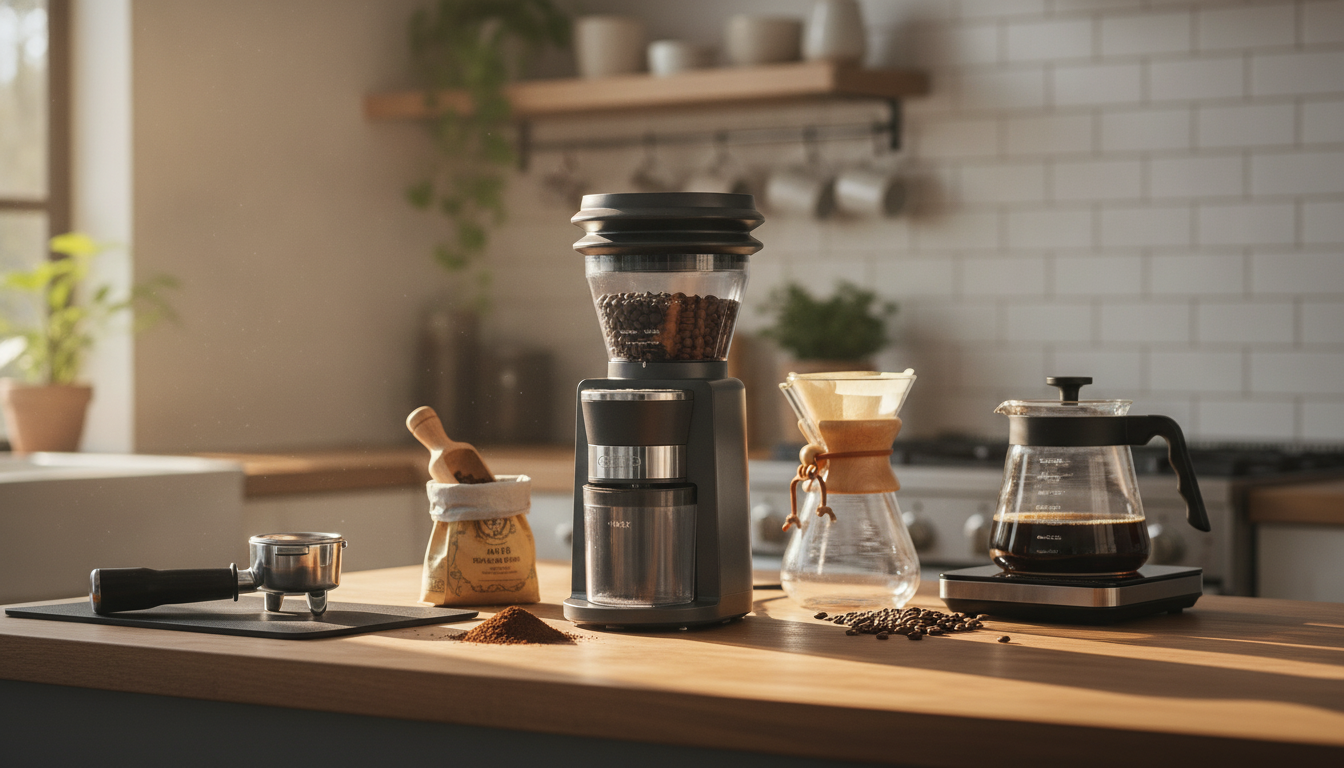
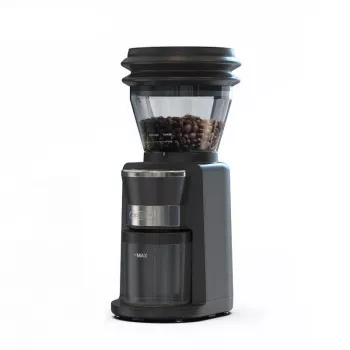
Automatic Burr Mill Electric Coffee Grinder for Espresso, Pour Over & Drip Coffee
A burr grinder is one of the simplest upgrades for better-tasting coffee because it produces a more consistent particle size from dose to dose. That consistency makes it easier to control flow rate, extraction, and flavor—whether you’re pulling espresso, brewing a clean pour over, or running a dependable drip cycle. An automatic burr mill electric grinder adds everyday convenience on top of that, letting you make quick adjustments as you switch brew styles without turning coffee into a complicated project. For more guidance, see The 9 Top Burr Coffee Grinders of 2026 | No BS* Guide & Reviews.
Why a Burr Grinder Changes the Cup
When coffee particles are closer in size, water moves through the grounds more predictably. That’s the foundation for balanced extraction—and the reason burr grinders are such a noticeable step up from blade chopping. For further reading, see Best Budget Coffee Grinders for 2026 – CoffeeGeek.
- More even grind size supports balanced extraction: fewer bitter “fines” and fewer under-extracted “boulders,” which can translate to sweeter, clearer cups.
- Helps stabilize timing: more predictable shot timing for espresso and more consistent drawdown for pour over.
- Improves repeatability: when testing beans, brew ratios, or new recipes, consistent grinding reduces the “guesswork factor.”
- Less compensating elsewhere: instead of constantly changing water temperature or steep time, grind consistency does more of the heavy lifting.
For deeper brewing fundamentals, the SCA brewing resources are a useful reference point for ratios and general technique.
What to Look For in an Automatic Burr Mill Electric Grinder
Not every burr grinder handles espresso through filter methods equally well. A versatile, automatic burr mill grinder should focus on range, control, and clean workflow.
- Wide grind range: it should reach true espresso fineness while still offering coarser settings for drip and pour over.
- Adjustment design: stepped settings are fast and repeatable; stepless adjustments can be great for micro-changes. Either way, it should be easy to return to a known “good” setting.
- Dose and workflow: consider whether your routine is hopper-based or single-dose friendly, and whether the grinder supports timed or quantity-based grinding that fits your mornings.
- Static and mess control: look for low retention, minimal clumping, and a clean exit into your catch cup or portafilter.
- Build and maintenance: easy burr access for cleaning matters more than most people expect, and replaceable burrs can extend the grinder’s useful life.
If you like the “why” behind grind size and extraction, Barista Hustle has clear, practical explanations that connect technique to taste.
Dialing In for Espresso, Pour Over, and Drip
Dialing in is simply matching grind size to your target brew time and taste. A good approach is to start with a baseline recipe for each method, then adjust grind size first before changing other variables.
- Hit the timing target: finer grinds slow flow and increase extraction; coarser grinds speed flow and reduce extraction.
- Change one variable at a time: adjust grind first, then refine dose or ratio if needed. This prevents “fixing” one issue while creating another.
- Use taste cues: sour/thin often signals under-extraction (go slightly finer); bitter/harsh often signals over-extraction (go slightly coarser).
- Re-dial when beans change: roast level, freshness, and origin can shift ideal settings more than expected.
Quick Starting Points by Brew Method
| Brew method | Starting grind | Timing target | Common adjustment if taste is off |
|---|---|---|---|
| Espresso (9 bar) | Fine (near espresso range) | Shot time ~25–35s (from first drip, per recipe) | Sour/fast: finer; Bitter/slow: coarser |
| Pour over (cone or flat-bottom) | Medium-fine to medium | Drawdown ~2:30–4:00 (varies by dripper and dose) | Hollow/weak: finer; Astringent/slow: coarser |
| Drip coffee maker | Medium | Brew cycle per machine; aim for balanced flavor | Bitter: coarser; Sour: finer |
| Cold brew (optional) | Coarse | Steep ~12–18 hours | Too strong/bitter: coarser or shorter steep; Too weak: finer or longer steep |
For espresso-specific dialing-in demonstrations (and what to listen/look for as you adjust), James Hoffmann’s grinder and espresso guides are a solid visual companion: James Hoffmann on YouTube.
Everyday Workflow Tips for Cleaner, More Consistent Grinding
Small habits can make an automatic burr grinder feel calmer, cleaner, and more consistent—especially when bouncing between espresso and filter brewing.
Cleaning, Burr Care, and Longevity
Who This Grinder Fits Best
Product Option Available Now
Automatic Burr Mill Electric Coffee Grinder for Espresso, Pour Over & Drip Coffee is currently available and priced for mid-range home setups. Pair it with a small scale and fresh beans for the most noticeable gains in flavor consistency and day-to-day repeatability.
If you’re putting together a thoughtful add-on for a coffee gift, Powerful Little Words: Short Quotes to Spark Positive Thinking is also in stock—an easy extra that fits nicely with a morning coffee ritual.
FAQ
Can one burr grinder really handle espresso and drip coffee?
Yes—if it has a wide grind range and adjustments that are precise enough for espresso. Espresso is the most demanding because it’s sensitive to small grind changes, while drip is generally more forgiving.
Why does my espresso run too fast even on a fine setting?
Fast shots can come from more than grind size: dose may be low, distribution may be uneven, tamping may be inconsistent, the basket may be underfilled, or the beans may be too old. Try stepping slightly finer, increasing dose a bit within your basket’s capacity, and tightening puck prep before changing multiple variables.
How often should burr grinders be cleaned?
Brush out loose grounds weekly (or every few uses) and plan a deeper clean every few weeks, depending on how much you grind and how dark your roasts are. Regular cleaning improves flavor clarity and helps keep grind performance consistent.














Leave a comment