20KPa Cordless Vacuum: Carpet, Floors & Hair Results
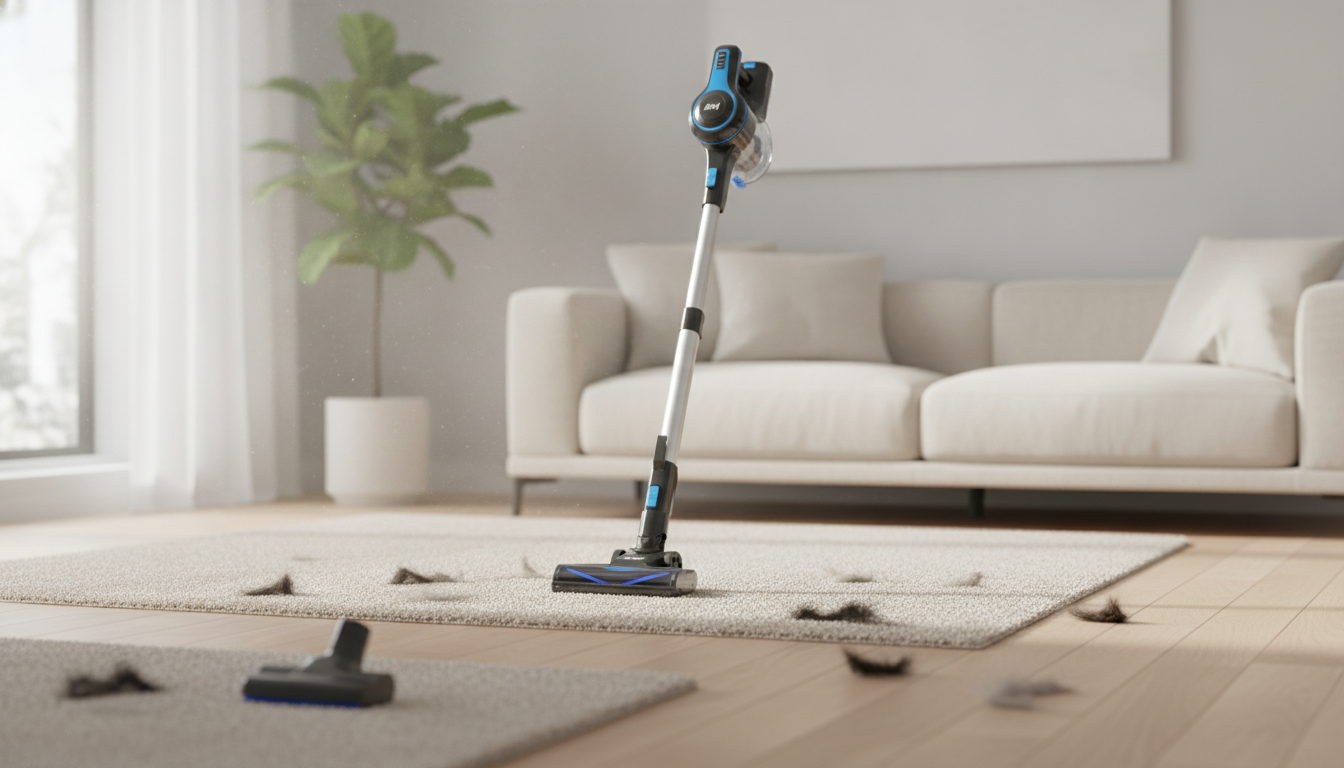
Lightweight Cordless Vacuum Cleaning Power for Real Life: What 20Kpa Means on Carpet, Hard Floors, and Hair
A lightweight cordless vacuum can make everyday cleanup feel less like a chore—especially in homes with mixed flooring and frequent hair or dust buildup. This guide explains what 20Kpa suction tends to feel like in practical use, how to get better results on carpet and hard floors, and the simple habits that keep performance strong over time.
What “20Kpa Suction” Feels Like in Daily Cleaning
KPa measures pressure difference. In a vacuum, higher KPa generally helps pull debris from fabric, cracks, and textured surfaces where dirt likes to cling. With around 20KPa on tap, most households can expect confident pickup of crumbs, dust, and hair on hard floors, plus noticeably better carpet pickup than many low-suction cordless models.
That said, suction alone doesn’t tell the whole story. Real-world performance also depends on brush design, how clean the airflow path is, the filter condition, and how full the dust cup gets. If suction suddenly feels “soft,” the most common culprits are a clog in the wand or floorhead, a saturated filter, or a brush roll wrapped with hair.
Surface-by-surface settings and technique
| Surface / mess | Suggested approach | What to watch for |
|---|---|---|
| Hard floors (dust, crumbs) | Use standard mode; slower passes along edges; finish with long straight strokes | Avoid scattering on large debris—angle the head and approach slowly |
| Low-pile carpet (daily dirt) | Use higher suction if available; overlap passes; vacuum in two directions | Watch runtime; clear the brush if hair accumulates |
| High-traffic carpet (sand, grit) | Short, deliberate strokes; extra attention to entryways and rugs | A clogged filter reduces deep pickup—clean regularly |
| Pet hair on floors | Use steady forward motion; follow with edge passes near baseboards | Hair can wrap around the brush—cut and remove safely |
| Hair on upholstery / stairs | Use the right attachment; vacuum in one direction then crosshatch | Check for snagging; empty the bin more often |
Why Lightweight Matters (Beyond Easy Carrying)
Lightweight design isn’t just a comfort perk. Less fatigue often leads to more frequent cleanups, which helps prevent grit from grinding into carpet fibers and keeps hard floors from developing that “dusty haze.” Maneuverability also improves: it’s easier to duck under furniture, pivot around chair legs, and clean stairs without feeling like you’re wrestling the machine.
For multi-level homes, a lighter cordless vacuum is especially practical: quick spot cleaning upstairs, a fast sweep of the entryway downstairs, and a few kitchen crumbs after cooking—without dragging a cord or hauling a heavy upright.
Cleaning Carpets: Getting Better Pickup with a Cordless Vacuum
Carpet is where technique matters most. If the vacuum has adjustable suction, save the highest suction for rugs, entryways, and the most-used lanes—then use standard power in lower-traffic areas to extend runtime.
- Start where it’s dirtiest: hit high-traffic sections first while airflow and suction are at their best (especially right after emptying the bin).
- Slow down: deep carpet cleaning is more about dwell time than speed. A slower pass gives the brush and suction time to lift debris from between fibers.
- Overlap and change direction: make slightly overlapping passes and vacuum in two directions to lift flattened fibers and dislodge embedded grit.
- If the head feels hard to push: reduce suction (if possible) or adjust the head height (if the model supports it). Too much seal on thick carpet can make movement difficult and reduce effective agitation.
- Empty first: a fuller dust cup can disrupt airflow and lower performance—carpet sessions are the time to start fresh.
For more general guidance on matching vacuum features to carpet needs, the Carpet and Rug Institute offers helpful industry recommendations.
Hard Floors: Preventing Scatter and Capturing Fine Dust
On hard floors, the challenge often isn’t power—it’s control. Larger debris can “snowplow” ahead of the vacuum head if you rush. Approach slowly, and angle the head so debris feeds under the intake rather than skittering forward.
For broader indoor air quality considerations and cleaning tips, the EPA’s indoor air quality resources are a strong starting point.
Hair Cleaning: Pets, Long Hair, and Tangle Control
Battery, Runtime, and Charging Habits That Protect Performance
Maintenance Checklist: Keep Suction Strong and Odors Low
Recommended In-Stock Picks
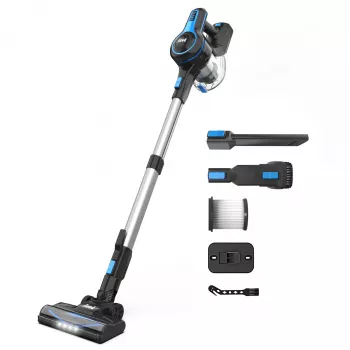
- Lightweight Cordless Vacuum Cleaner, 20Kpa Suction for Carpet, Hard Floor & Hair Cleaning — a practical fit for routine crumbs, dust, and hair with grab-and-go convenience.
- Ceramic Countertop Vessel Sink — a home upgrade pick if you’re refreshing a bathroom or powder room alongside your cleaning routine.
Who This Style of Vacuum Fits Best
FAQ
Is 20Kpa suction enough for carpet cleaning?
It’s typically enough for everyday carpet dirt and hair, especially when paired with slow, overlapping passes and vacuuming in two directions. Brush roll design, airflow, and a clean filter often matter as much as the suction rating for deep pickup in high-traffic areas.
How can hair wrapping be reduced on a cordless vacuum?
Check the brush frequently and remove tangles with the unit powered off, before wrapping becomes tight. Using attachments for edges and upholstery and emptying the bin regularly also helps maintain airflow so hair is pulled in cleanly instead of winding around the brush.
Why does suction drop after a few minutes of use?
The most common causes are a clog, a dust cup that filled quickly, a dirty or damp filter, or hair blocking the brush roll. Power off, empty the bin, check the floorhead and wand for obstructions, and confirm the filter is clean and fully dry before the next run.











Leave a comment